
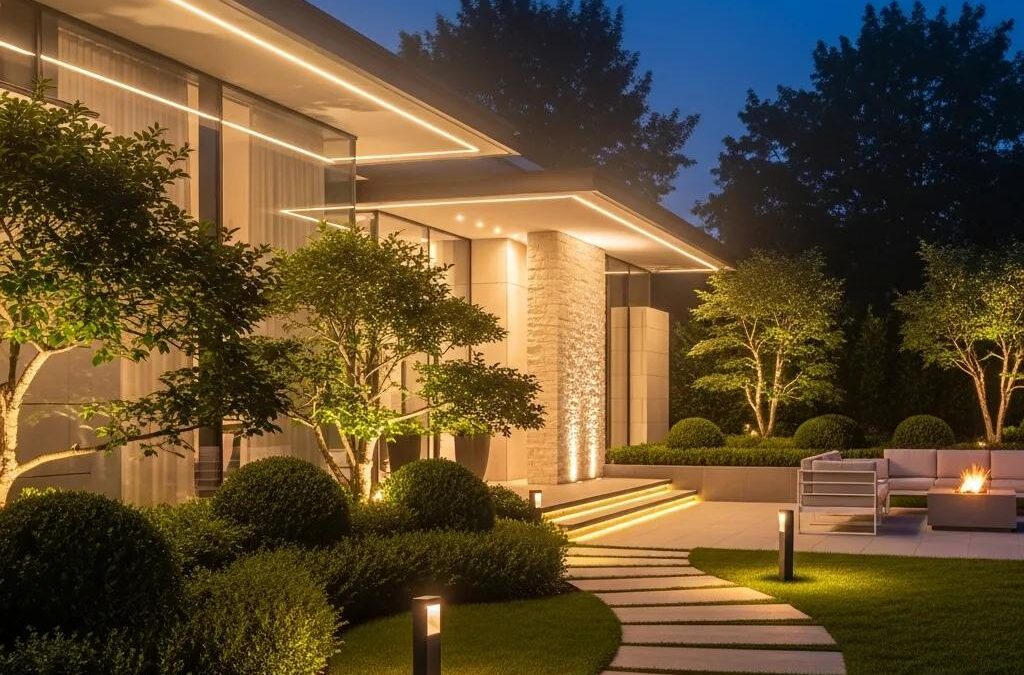
Illuminate Your Home: Outdoor Lighting Design for Impact
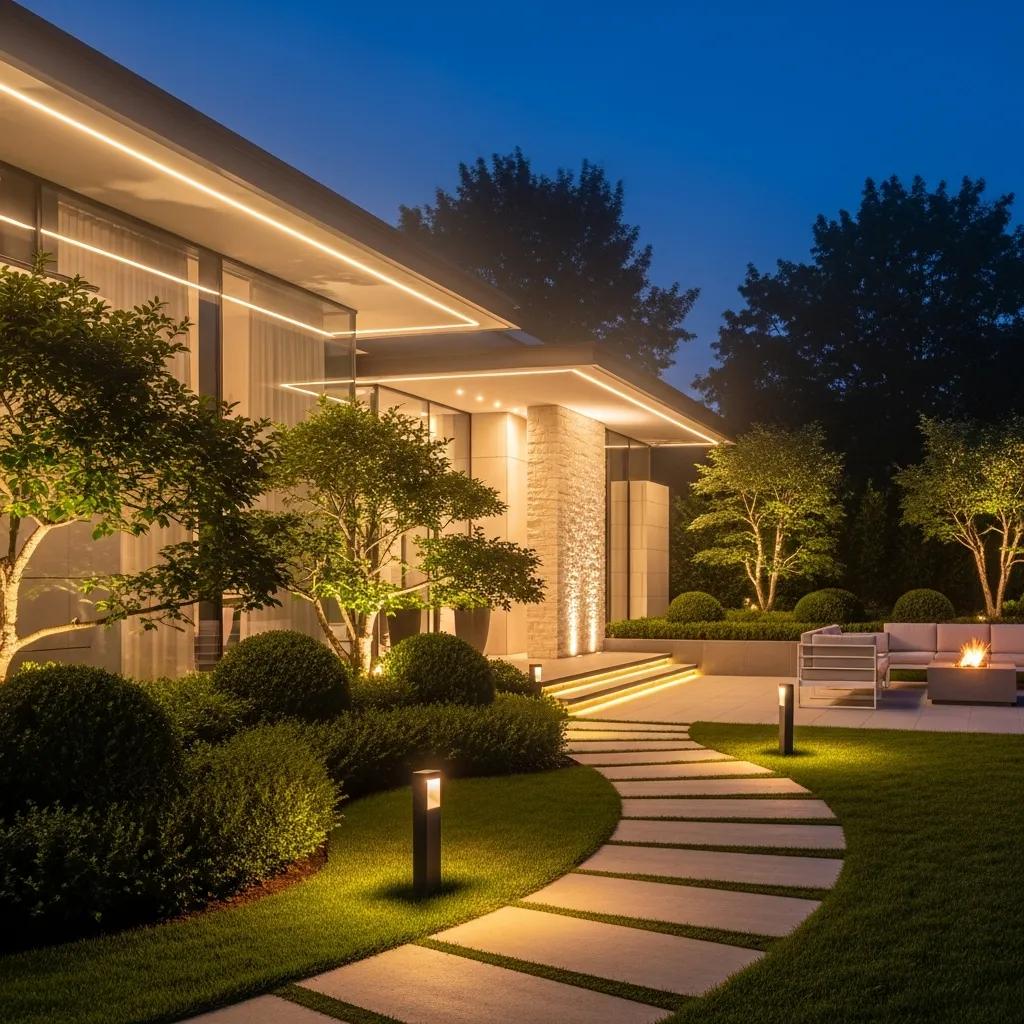
Expert Outdoor Lighting Design: Enhancing Architecture & Landscape
Designing outdoor lighting that harmonizes with both architecture and landscape is essential for creating inviting and functional outdoor spaces. Effective outdoor lighting not only highlights architectural features but also enhances the beauty of the surrounding landscape. This article will guide you through key architectural outdoor lighting techniques, landscape lighting ideas, energy-efficient solutions, and safe installation practices. By understanding these elements, you can transform your outdoor areas into stunning environments that are both aesthetically pleasing and practical.
What Are the Key Architectural Outdoor Lighting Techniques to Highlight Building Features?
Architectural outdoor lighting techniques are crucial for accentuating the unique features of a building. These techniques include uplighting, downlighting, and accent lighting, each serving a specific purpose in enhancing the overall appearance of a structure. By strategically placing lighting fixtures, you can create depth and interest, making the architecture stand out at night.
Which Lighting Fixtures Best Accentuate Architectural Details?
To effectively highlight architectural details, consider using a variety of lighting fixtures. Path lights improve safety along walkways, while spotlights can be directed to draw attention to specific features such as columns or sculptures. Additionally, wall-mounted fixtures can provide a wash of light that enhances textures and colors on building facades.
How to Use Light Color Temperature and Lumens for Effective Facade Illumination?
Choosing the right light color temperature and lumens is essential for effective facade illumination. Warm tones (2700K to 3000K) create inviting spaces, making them ideal for residential areas, while cooler tones (3500K to 4100K) can lend a modern feel to commercial buildings. Understanding lumens is also important, as they affect visibility and ambiance; higher lumens provide brighter light, which can be beneficial for security purposes.
How Can Landscape Lighting Ideas Create Layered and Inviting Outdoor Spaces?
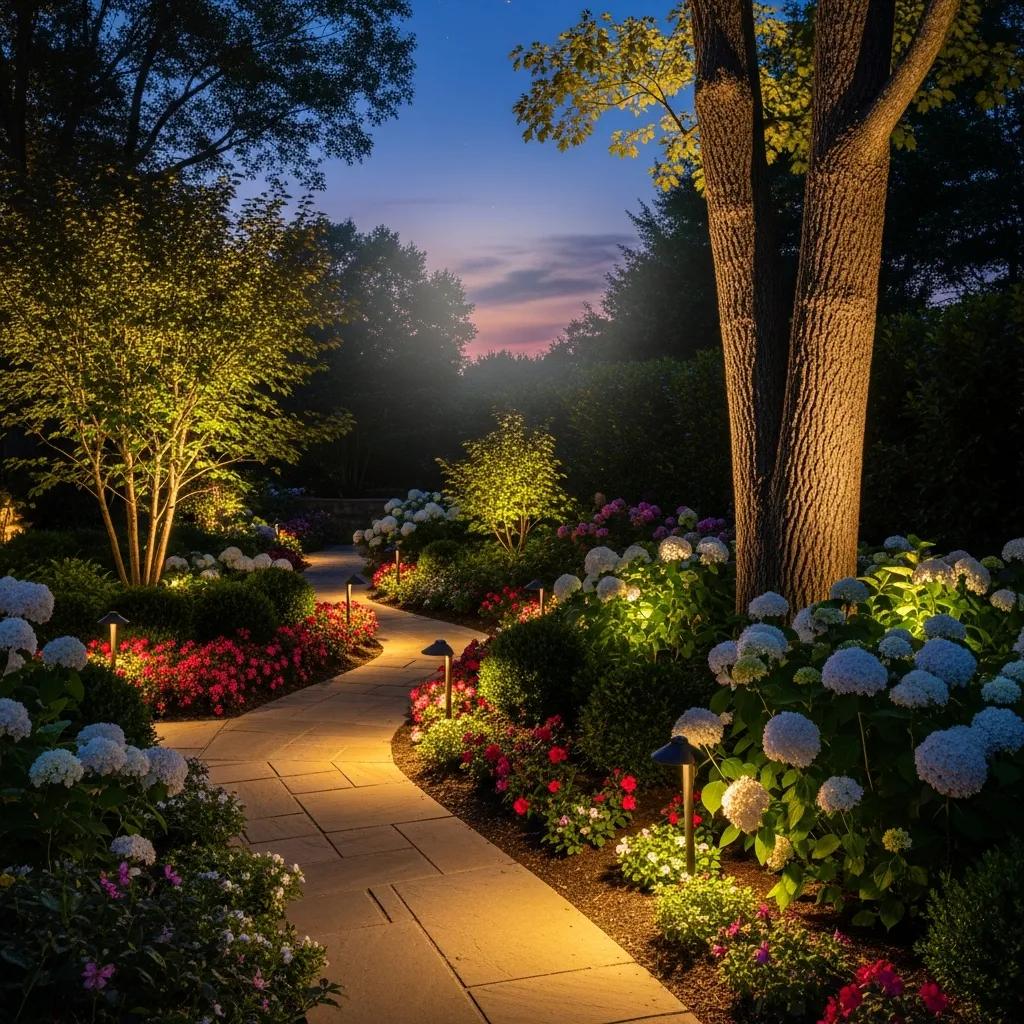
Landscape lighting plays a vital role in creating layered and inviting outdoor spaces. By incorporating various lighting techniques, you can enhance the natural beauty of your garden or yard while ensuring safety and functionality. Layered lighting adds depth and dimension, making outdoor areas more enjoyable during the evening hours.
What Are the Best Practices for Plant and Pathway Illumination?
When illuminating plants and pathways, best practices include using warm tones for pathways to create a welcoming atmosphere and highlighting key plants to enhance aesthetics. Additionally, consider the placement of fixtures to avoid glare and ensure that light is directed where it is needed most, enhancing both safety and beauty.
How to Balance Landscape Lighting with Architectural Elements?
Balancing landscape lighting with architectural elements is crucial for achieving a cohesive look. Ensure harmony between the two by selecting fixtures that complement the architectural style of the building. Avoid overwhelming brightness that can detract from the natural beauty of the landscape or the structure itself.
What Energy Efficient Outdoor Lighting Solutions and Smart Controls Should You Consider?
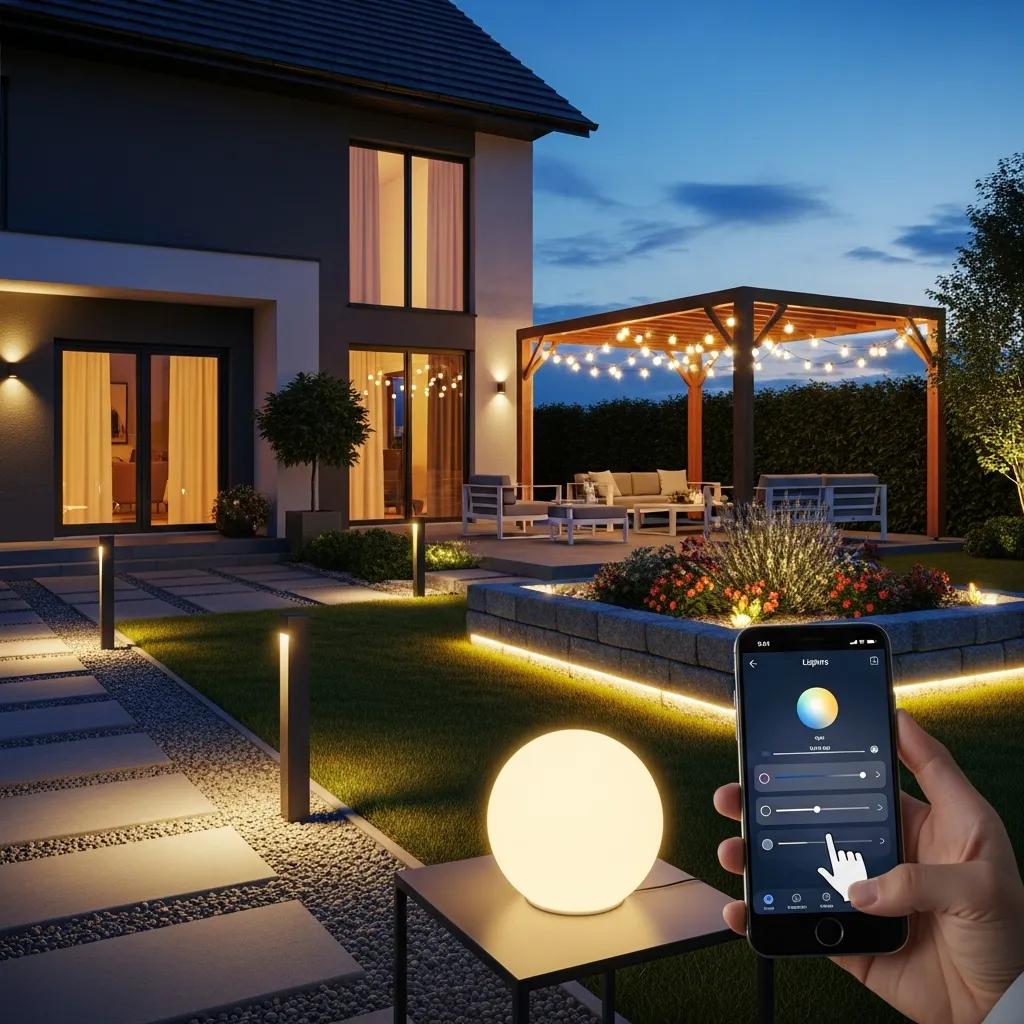
Energy-efficient outdoor lighting solutions are essential for reducing energy consumption while maintaining effective illumination. LED fixtures are a popular choice due to their low energy usage and long lifespan. Additionally, smart lighting controls can enhance usability and convenience, allowing for automated adjustments based on time, occupancy, or ambient light levels.
While technological advancements like LED fixtures offer significant potential for energy savings, it’s important to consider broader implications and strategies to ensure these efficiencies translate into actual reductions in energy consumption and light pollution.
Redefining Efficiency for Outdoor Lighting & Pollution Reduction
Improvements in the luminous efficiency of outdoor lamps might not result in energy savings or reductions in greenhouse gas emissions. The reason for this is a rebound effect: when light becomes cheaper, many users will increase illumination, and some previously unlit areas may become lit. We present three policy recommendations that work together to guarantee major energy reductions in street lighting systems. First, taking advantage of new technologies to use light only when and where it is needed. Second, defining maximum permitted illuminances for roadway lighting. Third, defining street lighting system efficiency in terms of kilowatt hours per kilometer per year. Adoption of these policies would not only save energy, but would greatly reduce the amount of light pollution produced by cities. The goal of lighting policy shoul
Redefining efficiency for outdoor lighting, CCM Kyba, 2014
How Do LED Fixtures and Lighting Control Systems Reduce Energy Consumption?
LED fixtures significantly reduce energy consumption compared to traditional lighting options. They consume less electricity and have a longer lifespan, which means fewer replacements and lower maintenance costs. Lighting control systems further enhance energy efficiency by allowing users to schedule lighting based on their needs, reducing unnecessary usage.
What Are the Benefits of Smart Lighting Automation for Outdoor Spaces?
Smart lighting automation offers numerous benefits for outdoor spaces. Remote control enhances convenience, allowing homeowners to adjust lighting from their smartphones. Additionally, energy savings through automation can lead to lower utility bills, making it a cost-effective solution for outdoor lighting.
How to Safely Install Outdoor Lighting That Enhances Both Architecture and Landscape?
Safety is paramount when installing outdoor lighting. Proper installation ensures that lighting not only enhances the aesthetic appeal but also complies with safety standards. Following best practices during installation can prevent accidents and ensure the longevity of the lighting system.
What Are Essential Safety Considerations During Outdoor Lighting Installation?
Essential safety considerations during outdoor lighting installation include using outdoor-rated fixtures to withstand weather conditions and following local electrical codes. Additionally, ensuring that all wiring is properly insulated and protected from moisture is crucial for preventing electrical hazards.
How to Plan Lighting Zones for Optimal Functionality and Security?
Planning lighting zones is vital for optimal functionality and security. Highlight key features for security, such as entrances and pathways, while ensuring that lighting is not overly bright to avoid discomfort. A well-planned lighting layout enhances both safety and usability, making outdoor spaces more enjoyable.
Recent Comments