
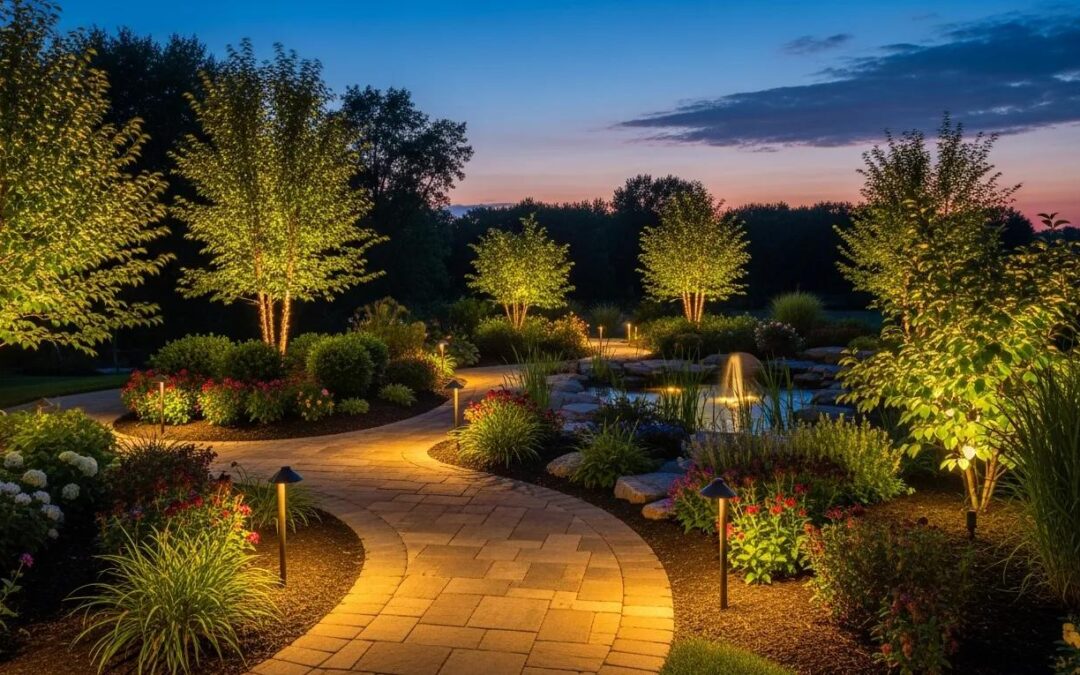
LED vs. Low-Voltage: Wisconsin Homeowners' Lighting Guide
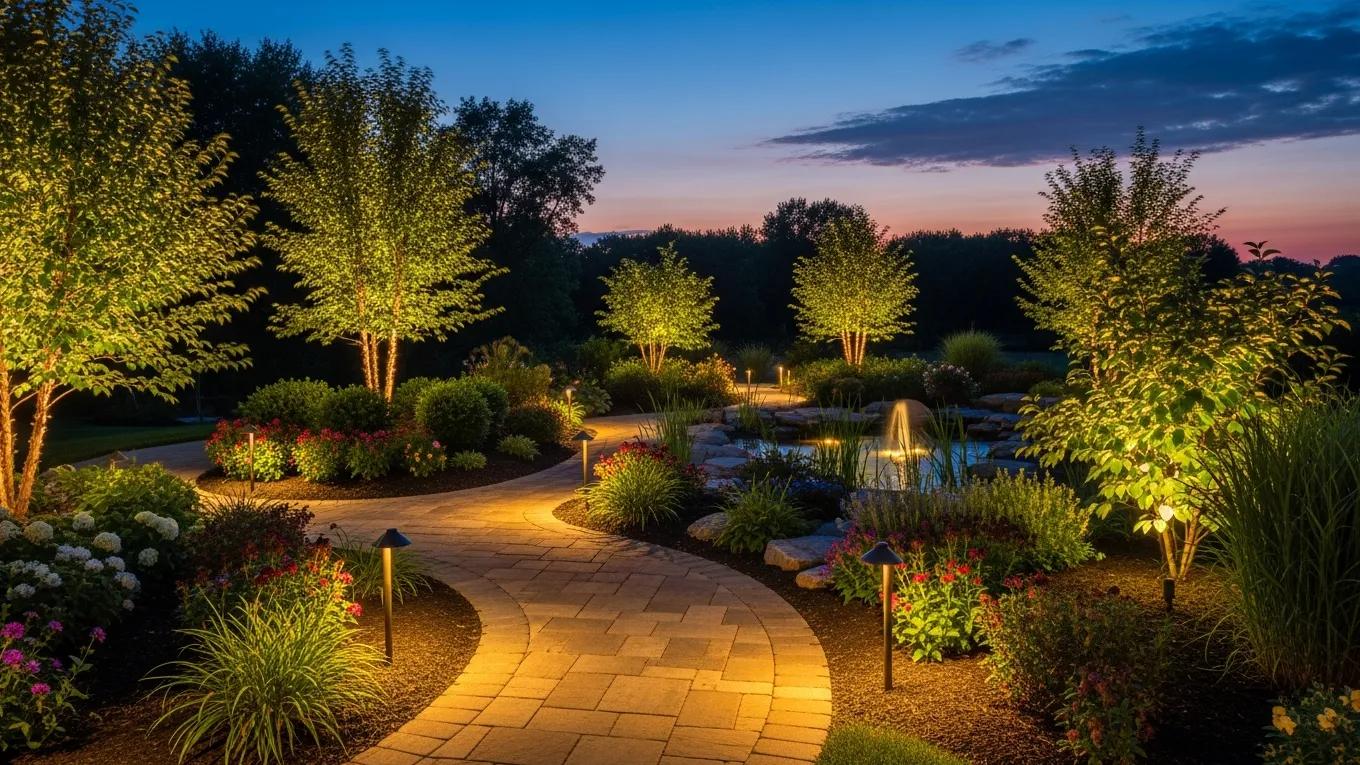
LED vs. Low-Voltage Landscape Lighting: Wisconsin Homeowners Guide
LED vs. Low-Voltage Landscape Lighting for Wisconsin Homeowners
Key Benefits:
- Energy Efficiency: LED fixtures consume significantly less energy compared to traditional lighting options, leading to lower electricity bills and a reduced carbon footprint.
- Durability and Lifespan: LED lights have a longer lifespan, often lasting up to 25,000 hours or more, while low-voltage fixtures typically last around 10,000 to 15,000 hours. This longevity reduces the frequency of replacements.
- Aesthetic Appeal: Both lighting types offer a variety of designs and styles, allowing homeowners to create visually appealing outdoor environments that complement their landscaping.
Maximizing Outdoor Lighting Energy Savings & Efficiency
Improvements in the luminous efficiency of outdoor lamps might not result in energy savings or reductions in greenhouse gas emissions. The reason for this is a rebound effect: when light becomes cheaper, many users will increase illumination, and some previously unlit areas may become lit. We present three policy recommendations that work together to guarantee major energy reductions in street lighting systems. First, taking advantage of new technologies to use light only when and where it is needed. Second, defining maximum permitted illuminances for roadway lighting. Third, defining street lighting system efficiency in terms of kilowatt hours per kilometer per year. Adoption of these policies would not only save energy, but would greatly reduce the amount of light pollution produced by cities.
Redefining efficiency for outdoor lighting, CCM Kyba, 2014
Installation Considerations:
- Permits and Regulations: Homeowners should check local regulations regarding outdoor lighting installations, as some areas may have specific guidelines.
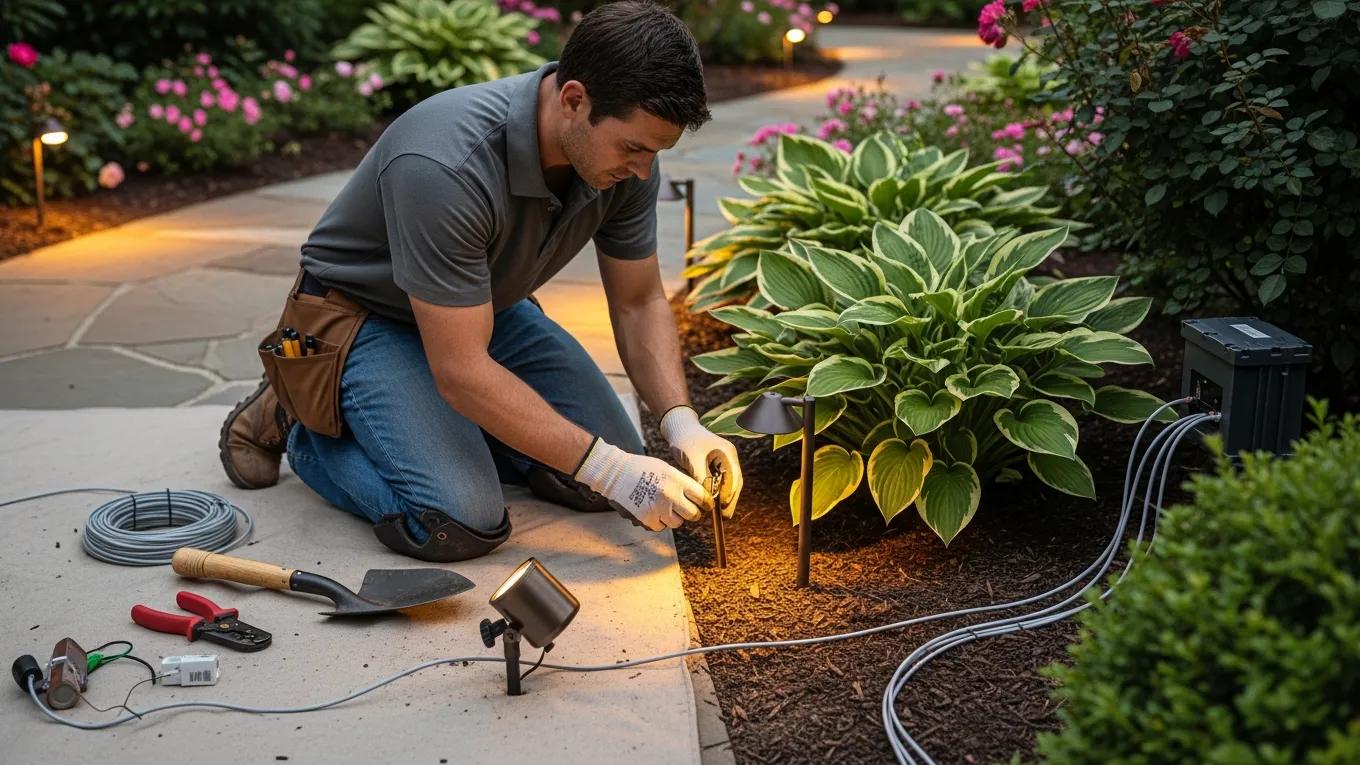
- Professional Installation Recommendations: While DIY installations are possible, hiring professionals can ensure that the lighting is installed correctly and safely, particularly for low-voltage systems that require transformers.
- Design Layout Considerations: Planning the layout of lighting fixtures is crucial for achieving the desired illumination effect. Homeowners should consider the placement of fixtures to highlight landscaping features and pathways effectively.
Cost Comparisons:
| Lighting Type | Initial Investment | Long-Term Savings | Maintenance Costs |
|---|---|---|---|
| LED | Higher upfront cost due to fixture price | Significant savings on energy bills | Minimal maintenance required |
| Low-Voltage | Lower initial cost for fixtures and installation | Moderate savings on energy bills | Regular bulb replacements needed |
Maintenance Requirements:
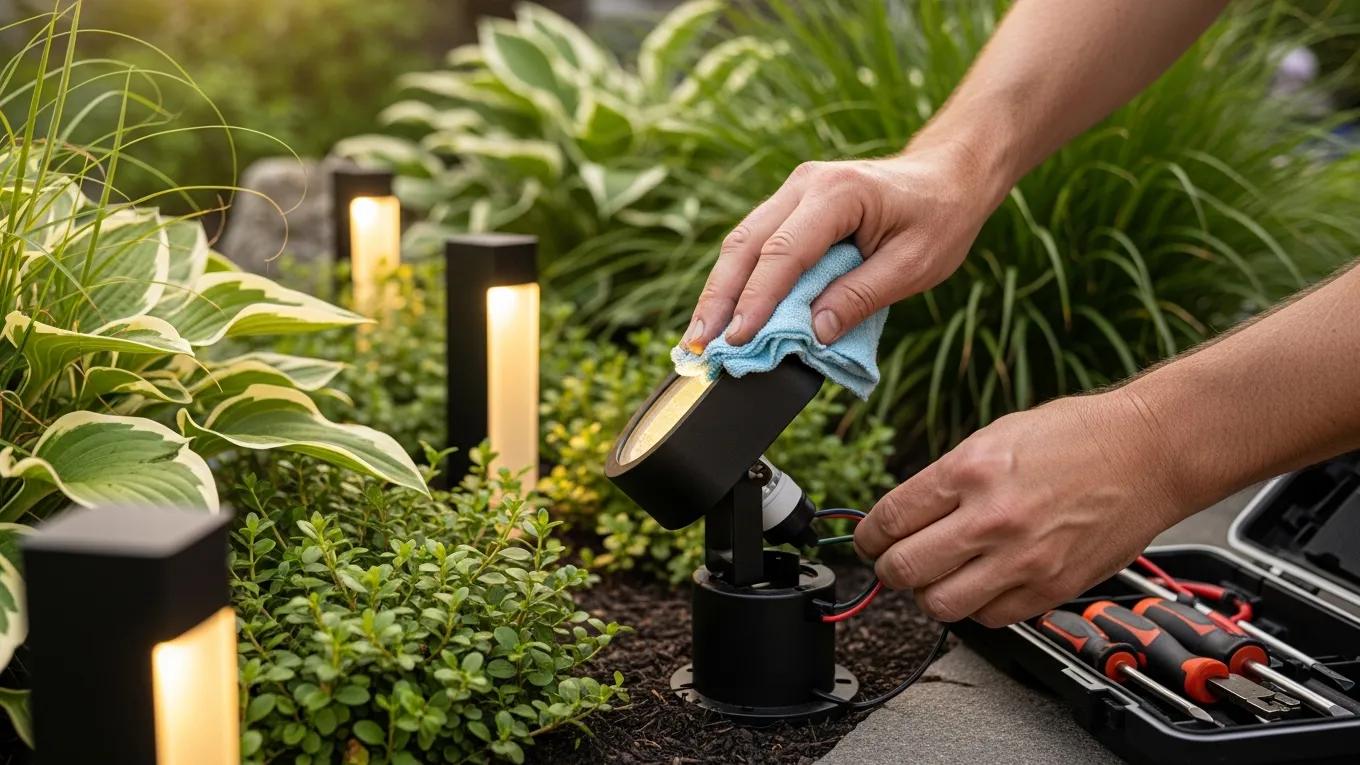
- Regular Maintenance Tips: Homeowners should regularly check fixtures for dirt and debris, which can affect light output. Cleaning lenses and replacing burnt-out bulbs are essential maintenance tasks.
- Differences in Maintenance Frequency: LED fixtures generally require less frequent maintenance due to their longer lifespan, while low-voltage systems may need more regular attention.
- Seasonal Considerations: In Wisconsin, seasonal changes can impact outdoor lighting systems. Homeowners should prepare their lighting for winter conditions by ensuring fixtures are securely installed and protected from snow and ice.
What Are the Key Benefits of LED Landscape Lighting?
- Energy Efficiency: LED lights consume up to 75-80% less energy than traditional incandescent bulbs, resulting in lower electricity costs.
- Longevity: With a lifespan of up to 25,000 hours, LED fixtures require fewer replacements, saving both time and money.
- Versatility: LED lights are available in various colors and styles, allowing homeowners to customize their outdoor lighting to suit their preferences.
How Does LED Lighting Enhance Energy Efficiency and Durability?
Why Is LED Lighting Ideal for Wisconsin's Climate?
What Should Wisconsin Homeowners Know About Low-Voltage Landscape Lighting?
- Safety Features: Operating at 12 volts, low-voltage systems reduce the risk of electrical shock, making them suitable for residential use.
- Cost-Effectiveness: These systems are often more affordable to install, making them an attractive option for budget-conscious homeowners.
- Flexibility: Low-voltage lighting systems can be easily expanded or modified, allowing homeowners to adapt their lighting as their landscaping changes.
How Does Low-Voltage Lighting Ensure Safety and Cost-Effectiveness?
What Are the Installation and Maintenance Requirements for Low-Voltage Systems?
- Transformer Installation: A transformer is necessary to convert standard voltage to low voltage, and it should be placed in a dry, accessible location.
- Wiring Considerations: Proper wiring techniques are essential to ensure safety and functionality. Homeowners may benefit from professional installation to avoid common pitfalls.
- Maintenance Needs: Regular checks for bulb replacements and fixture cleanliness are necessary to maintain optimal performance.
How Do LED and Low-Voltage Lighting Compare in Installation Cost and ROI?
What Maintenance Tips Help Maximize Landscape Lighting Performance?
- Regular Cleaning: Keep fixtures clean to ensure maximum light output.
- Check Connections: Inspect wiring and connections regularly to prevent issues.
- Seasonal Adjustments: Prepare lighting systems for seasonal changes, particularly in winter.
How Can Homeowners Maintain LED and Low-Voltage Lighting Systems Effectively?
- Routine Inspections: Regularly check for any signs of wear or damage.
- Timely Replacements: Replace burnt-out bulbs promptly to maintain consistent lighting.
- Professional Servicing: Consider professional servicing for complex systems to ensure optimal performance.
What Are Common Troubleshooting Steps for Outdoor Lighting Issues?
- Check Power Supply: Ensure that the power supply is functioning correctly and that the transformer is operational.
- Inspect Connections: Look for loose or damaged connections that may affect performance.
- Replace Bulbs: If lights are not functioning, check and replace any burnt-out bulbs.