
Transform Your Outdoors: Expert Lighting Design in Wisconsin
The Art of Layered Lighting: How to Transform Your Outdoor Space After Dark
Layered Lighting Techniques to Enhance Outdoor Spaces After Dark
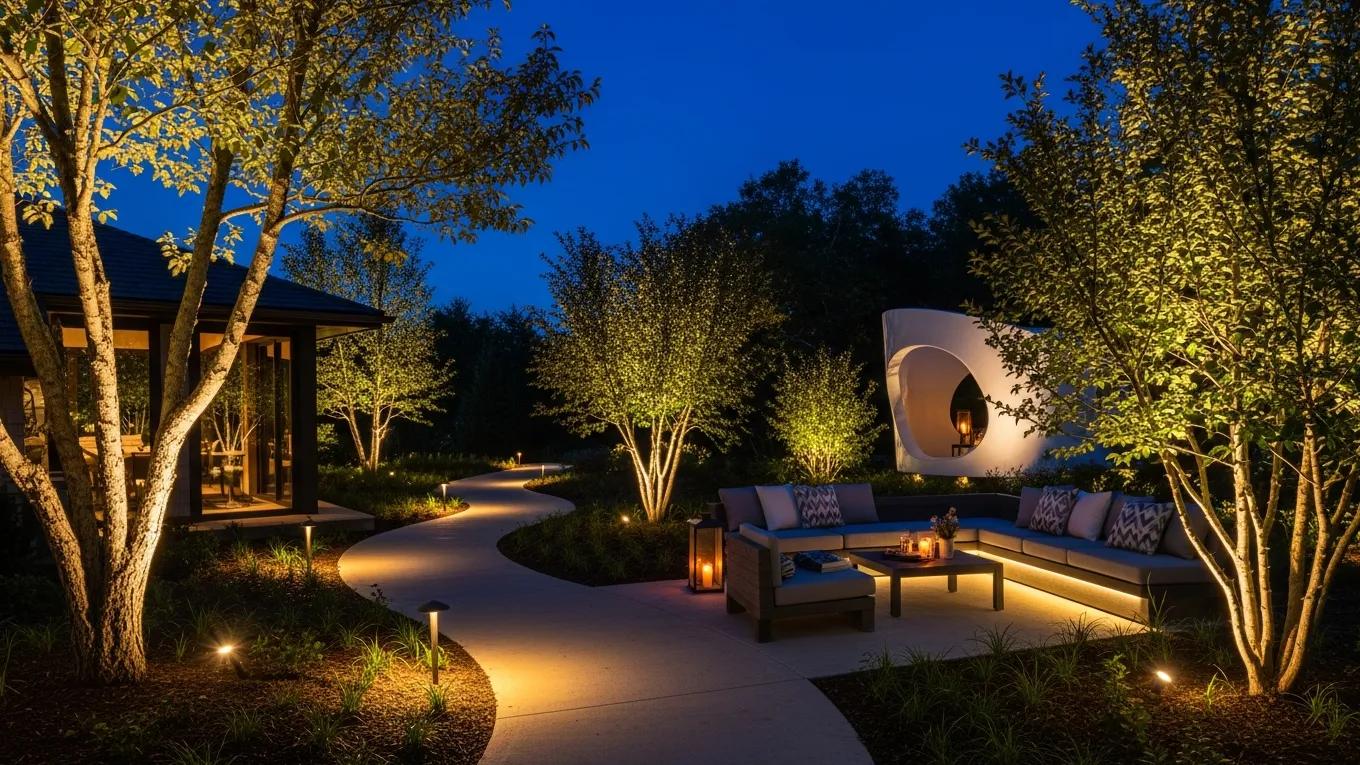
- Ambient Lighting: This is the general illumination that provides a comfortable level of brightness for the entire area. It sets the mood and ensures safety by illuminating pathways and gathering spaces.
- Task Lighting: Focused lighting that helps with specific activities, such as reading on a patio or cooking in an outdoor kitchen. Task lighting is crucial for functionality and should be strategically placed to avoid shadows.
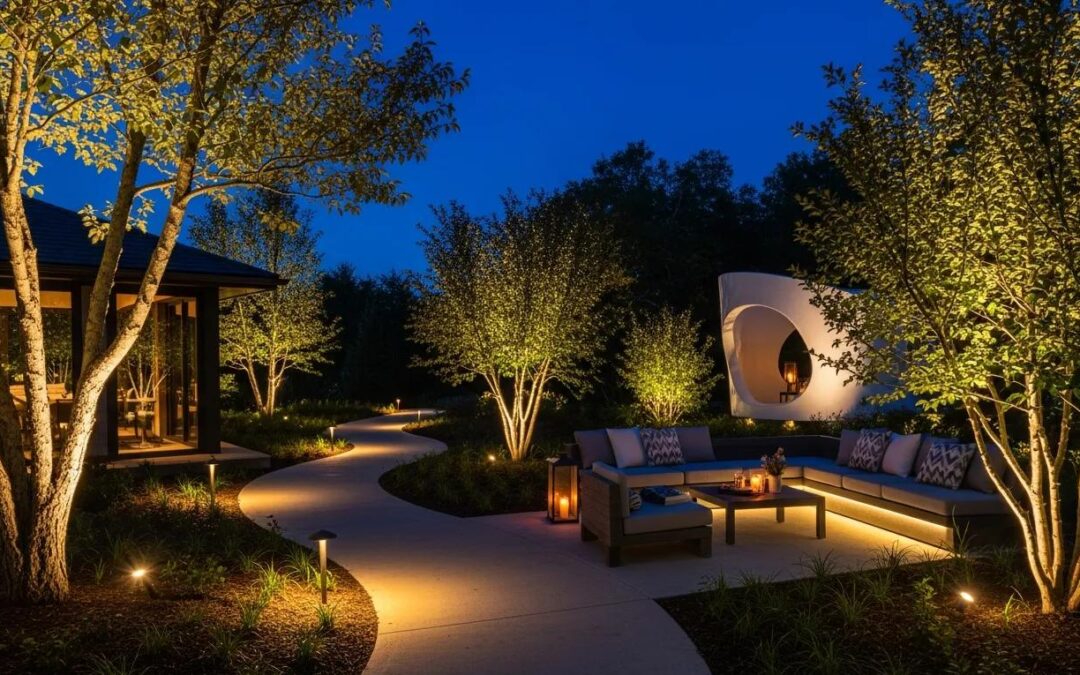
- Accent Lighting: Used to highlight specific features, such as trees, sculptures, or architectural details. Accent lighting adds depth and interest to the landscape, creating visual focal points.
Placement Strategies
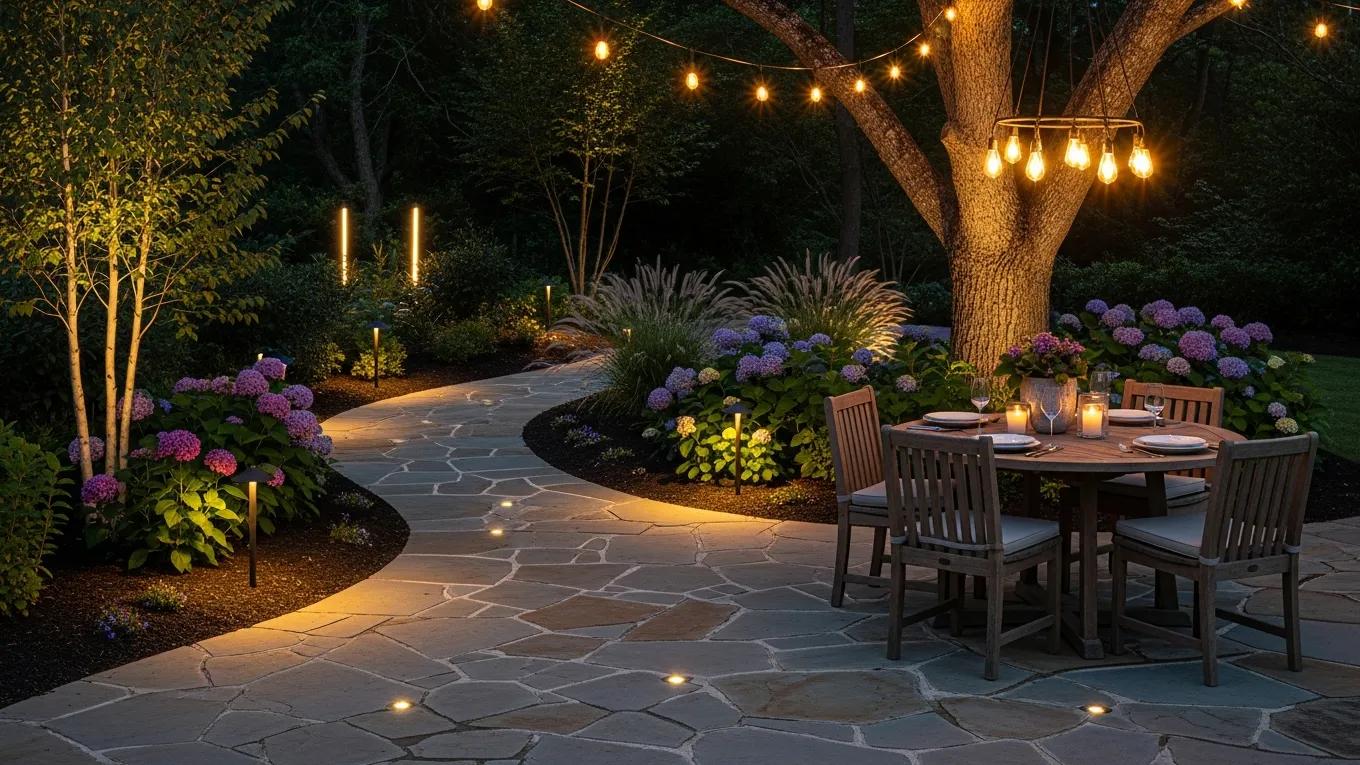
- Assess the Space: Evaluate the areas that require illumination, such as pathways, seating areas, and gardens. Understanding the layout will help determine where to place different types of lighting.
- Layering Techniques: Use a combination of ambient, task, and accent lighting to create depth. For example, install ambient lights along pathways, task lights over seating areas, and accent lights to highlight trees or architectural features.
- Avoiding Glare: Position lights at angles that minimize glare and ensure comfort. This can be achieved by using shielded fixtures or adjusting the height and direction of the lights.
Aesthetic Considerations
- Fixture Selection: Choose lighting fixtures that complement the architecture of your home and the surrounding landscape. The style, color, and material of the fixtures should align with the overall design theme.
- Color Temperature: The color temperature of the lights can significantly affect the ambiance. Warmer tones create a cozy atmosphere, while cooler tones can provide a more modern feel. Consider the desired mood when selecting bulbs.
- Seasonal Adaptability: Think about how the lighting will look throughout the year. Some fixtures may need to be adjusted or replaced to accommodate seasonal changes in landscaping.
Conclusion
What Are Layered Lighting Techniques and How Do They Enhance Outdoor Spaces?
Layered Outdoor Lighting Techniques
to define the formal outdoor lighting techniques [64]. The use of these techniques depends not only on the specific application but also on the desired aesthetic and functional outcomes. One such technique involves combining (vertical parallel lines ║) plus layers lighting fused with silhouetting (backlighting) for the creation of dynamic visual effects.
Systematic design applied in outdoor spatiotemporal lighting, A Papacharalampopoulos, 2021
Which Outdoor Landscape Lighting Solutions Best Suit Southern Wisconsin and Northern Illinois?
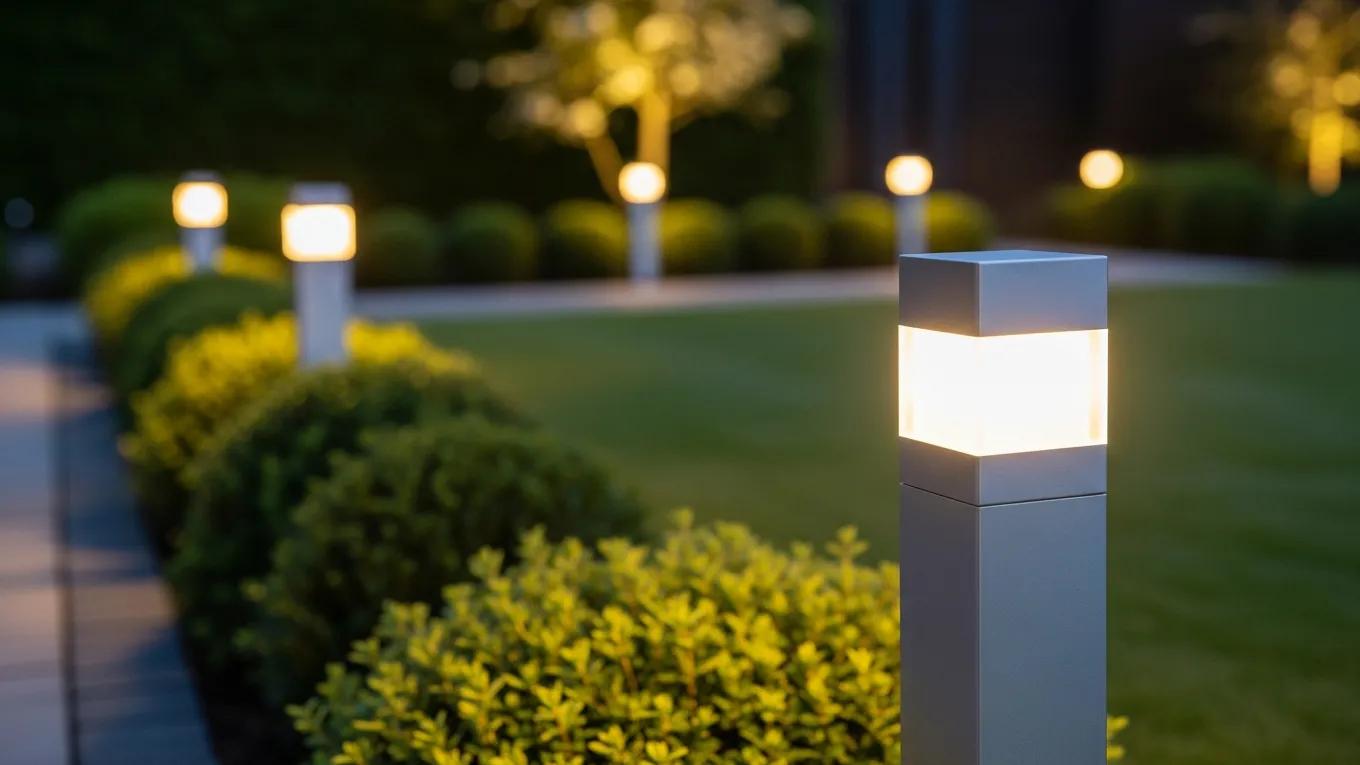
- LED Fixtures: Energy-efficient and long-lasting, LED fixtures are ideal for outdoor use. They consume less power and have a longer lifespan compared to traditional bulbs.
- Solar Lighting: Perfect for environmentally conscious homeowners, solar lights harness sunlight during the day and illuminate outdoor spaces at night without the need for wiring.
- Weather-Resistant Fixtures: Ensure that the chosen fixtures are designed to withstand harsh weather conditions, including rain, snow, and extreme temperatures.
Energy-Efficient LED Technology Benefits for Exterior Lighting
- Cost Savings: LED lights consume significantly less energy than traditional incandescent bulbs, leading to lower electricity bills.
- Longevity: With a lifespan of up to 25,000 hours, LED fixtures require less frequent replacement, reducing maintenance costs and waste.
- Environmental Impact: LEDs are more environmentally friendly, as they contain no harmful substances like mercury and are fully recyclable.
Optimizing Outdoor Lighting Design
Outdoor lighting is an essential service for modern life. However, the high influence of this type of lighting on energy consumption and light pollution makes it necessary to optimize its design in the design phase. Therefore, this manuscript describes an algorithm to help light designers to achieve optimal solutions.
Particle swarm optimization for outdoor lighting design, A Castillo-Martinez, 2017
Incorporating Smart Outdoor Lighting Controls for Convenience and Security
- Remote Access: Control your outdoor lights from anywhere using a smartphone app, making it easy to adjust settings or turn lights on and off as needed.
- Automated Scheduling: Set schedules for your lights to turn on and off at specific times, ensuring your home is well-lit when you need it most.
- Enhanced Security: Smart lighting can deter intruders by simulating occupancy, as lights can be programmed to turn on and off at random intervals.
How Does Professional Outdoor Lighting Installation Transform Your Garden and Patio?
- Expert Design: Professionals can create a customized lighting plan that highlights the best features of your outdoor space while ensuring adequate illumination for safety and functionality.
- Quality Installation: Skilled technicians ensure that fixtures are installed correctly and safely, minimizing the risk of electrical issues and maximizing performance.
- Increased Usability: With proper lighting, outdoor spaces can be enjoyed at any time of day or night, making them more functional for gatherings, relaxation, and entertainment.
Step-by-Step Outdoor Lighting Installation Process by Experts
- Consultation: A professional will assess your outdoor space and discuss your lighting goals, preferences, and budget.
- Design Plan: Based on the consultation, a customized lighting design plan will be created, detailing fixture types, placements, and wiring needs.
- Installation: Technicians will install the fixtures according to the design plan, ensuring proper placement and secure connections.
- Testing: Once installed, the lighting system will be tested to ensure everything functions correctly and meets your expectations.
Outdoor Lighting Design Assessment
approach for the assessment of outdoor lighting solutions at the design stage. First of all, the analysis of an outdoor lighting installation, recognized as part of the design procedure, is crucial for identifying potential issues and optimizing performance.
A multi-criteria assessment procedure for outdoor lighting at the design stage, K Skarżyński, 2020
Maintenance Tips to Ensure Long-Lasting Outdoor Lighting Performance
- Regular Cleaning: Dust and debris can accumulate on fixtures, reducing their effectiveness. Clean fixtures periodically to maintain brightness.
- Check Bulbs: Regularly inspect bulbs for any that may need replacement. Keeping a stock of spare bulbs can help ensure quick replacements.
- Inspect Wiring: Periodically check for any signs of wear or damage to wiring and connections, addressing any issues promptly to prevent electrical problems.
Why Choose Twilight Solutions for Customized Outdoor Lighting Design and Free Estimates?
- Expert Consultation: Their team offers personalized consultations to understand your vision and create a customized lighting plan.
- Free Estimates: Twilight Solutions provides free estimates, allowing homeowners to explore their options without financial commitment.
- Comprehensive Services: From design to installation and maintenance, Twilight Solutions offers a full range of services to ensure your outdoor lighting is both beautiful and functional.
Showcasing Local Project Case Studies and Client Testimonials
- Residential Transformations: Many homeowners have reported significant improvements in their outdoor spaces, with enhanced safety and aesthetics.
- Client Satisfaction: Testimonials from satisfied clients emphasize the professionalism and creativity of the Twilight Solutions team, highlighting their ability to bring visions to life.
- Before and After Comparisons: Case studies demonstrate the dramatic impact of layered lighting on various properties, illustrating the potential for transformation.
How Personalized Consultations Deliver Tailored Lighting Solutions
- Understanding Client Needs: The consultation process begins with a thorough discussion of the client's preferences, lifestyle, and specific lighting goals.
- Site Assessment: Professionals conduct a detailed assessment of the outdoor space, considering factors such as layout, existing features, and potential challenges.
- Custom Design Proposals: Based on the assessment, a customized lighting design proposal is created, incorporating the client's vision and practical considerations.