
Why Architectural Lighting Design Is Essential for Outdoor Spaces
Why Architectural Lighting Design Is Essential for Outdoor Spaces
Essential Architectural Outdoor Lighting
outdoor lighting practice gained more significance. The needs for monument lighting, taking it as an essential architectural and outdoor lighting issue
Lighting monuments: Reflections on outdoor lighting and environmental appraisal, M Tural, 2006
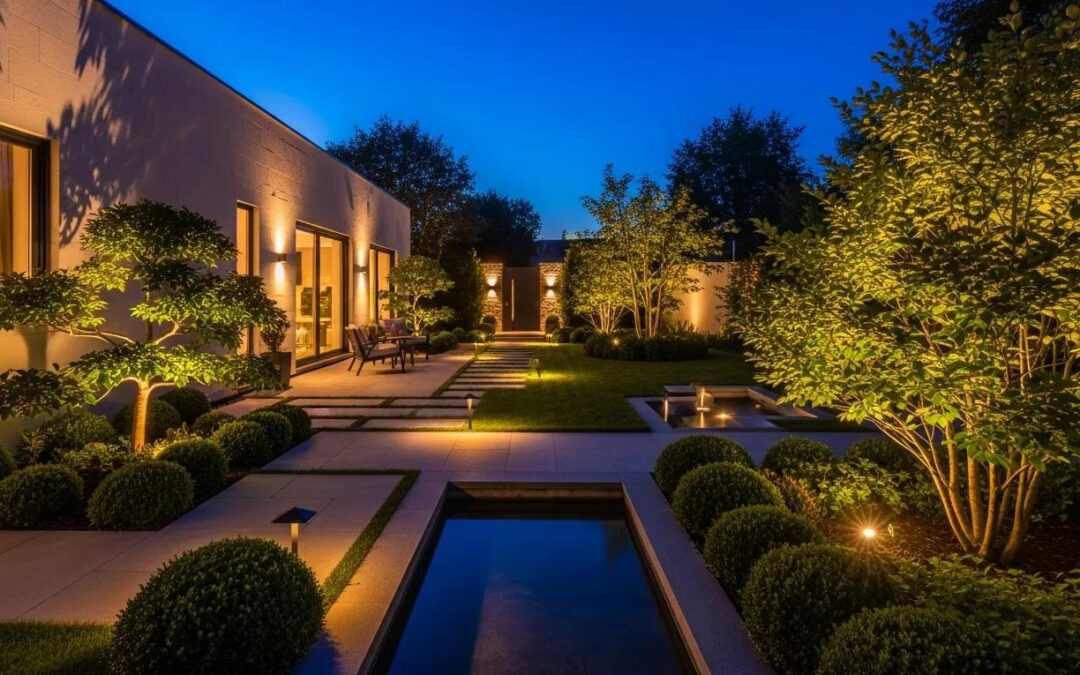
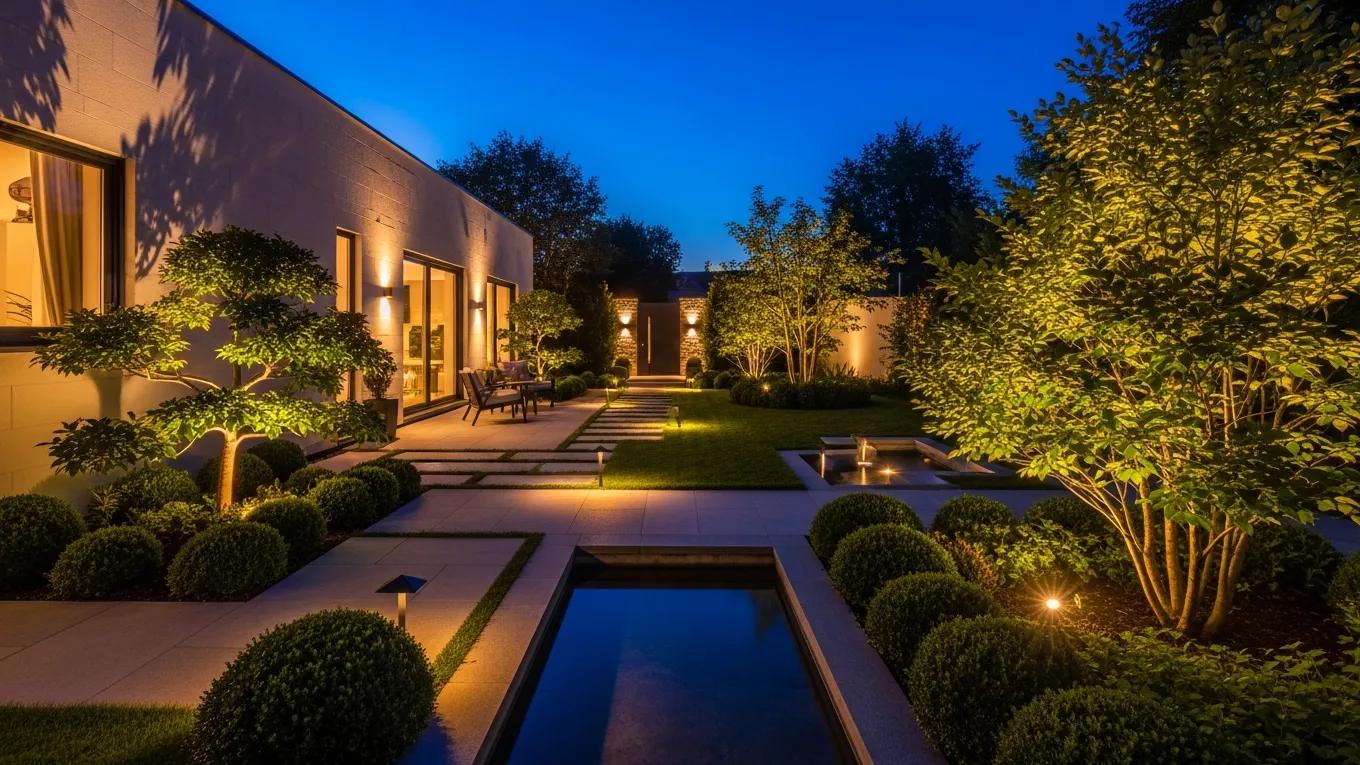
How Architectural Lighting Elevates Outdoor Aesthetics
Architectural Lighting: Spatial Effects & Moods
lighting design More than any building material, light produces spatial effects, generates moods, and” stages” architectural designs
Lighting design: principles, implementation, case studies, 2012
Safety
Functionality
Energy-Efficient Outdoor Lighting for Multipurpose Spaces
light ambience according to changing specifications. This paper describes an outdoor lighting solution aimed at energy-efficient performance in the context of multipurpose outdoor environments
Energy efficiency considerations for LED-based lighting of multipurpose outdoor environments, A Florea, 2015
What Are the Key Benefits of Architectural Outdoor Lighting?
- Enhanced Safety: Proper lighting reduces accidents and deters crime.
- Aesthetic Appeal: Well-designed lighting highlights architectural features and landscaping.
- Energy Efficiency: Modern lighting solutions, such as LEDs, consume less energy and have longer lifespans.
- Increased Usability: Outdoor spaces can be enjoyed at night, extending their functionality.
How Does Architectural Lighting Enhance Outdoor Aesthetics and Property Value?
In What Ways Does Outdoor Lighting Improve Safety and Security?
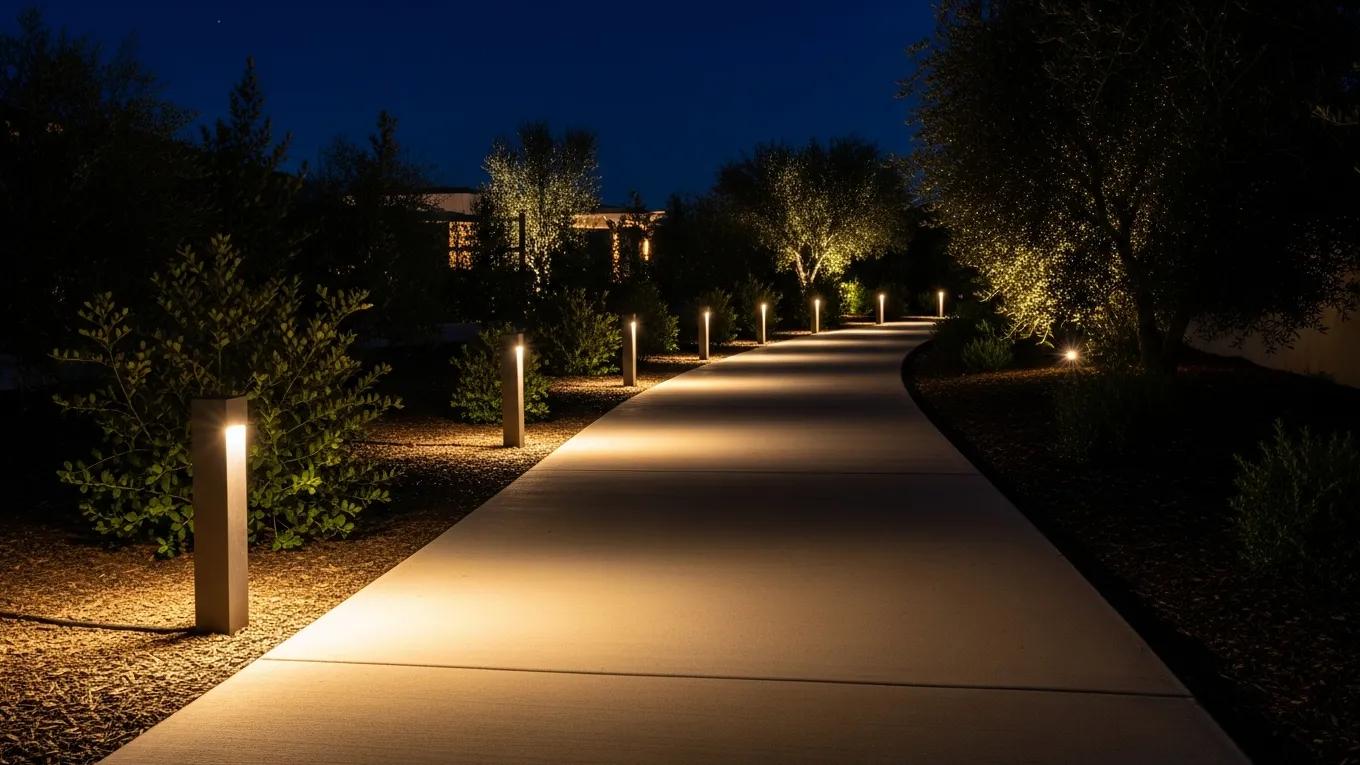
- Deterrence of Intruders: Well-lit areas discourage criminal activity by increasing visibility.
- Improved Visibility: Properly illuminated pathways and entrances reduce the risk of accidents.
- Use of Motion Sensors: These devices provide light only when needed, enhancing safety without wasting energy.
Which Types of Outdoor Lighting Are Best for Architectural Design?
- Path Lights: Illuminate walkways and driveways, enhancing safety and aesthetics.
- Spotlights and Uplights: Highlight architectural features and landscaping elements.
- String Lights: Create a festive atmosphere for gatherings and events.
- Wall Lights: Provide ambient lighting for patios and outdoor living spaces.
- Deck and Step Lights: Ensure safety on stairs and elevated areas.
- Floodlights: Offer broad illumination for larger outdoor spaces.
- LED Fixtures: Energy-efficient options that provide long-lasting light.
What Are the Advantages of LED, Solar, and Smart Lighting Solutions?
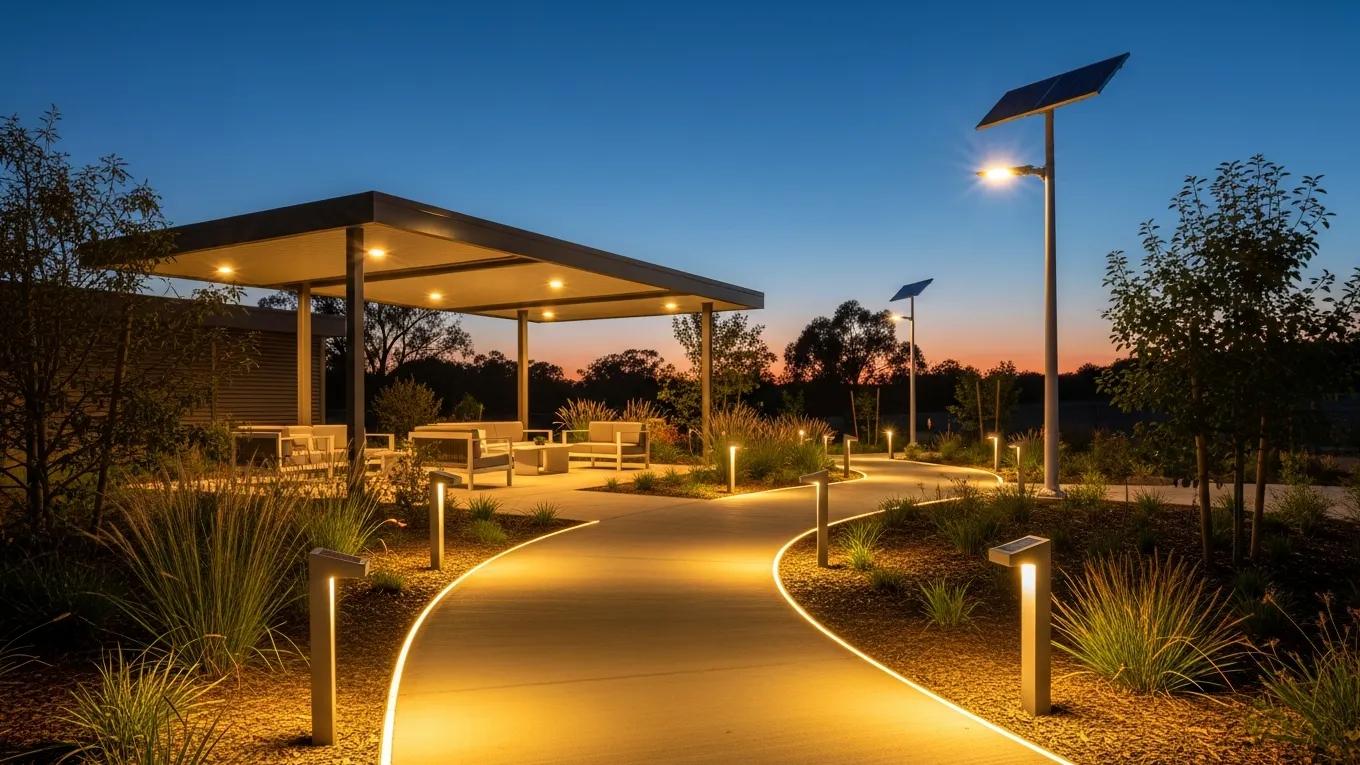
- Energy Efficiency: LED lights consume significantly less energy compared to traditional bulbs, reducing electricity costs.
- Durability: LED fixtures have a longer lifespan, requiring less frequent replacement.
- Design Flexibility: Smart lighting solutions allow for customizable settings and remote control, adapting to various needs and preferences.
How Do Energy-Efficient Lighting Technologies Benefit Outdoor Spaces?
- Cost Savings: Reduced energy consumption leads to lower utility bills.
- Eco-Friendliness: Energy-efficient options contribute to a smaller carbon footprint.
- Longevity: Many energy-efficient fixtures have longer lifespans, resulting in less waste and fewer replacements.
What Are the Best Practices for Professional Outdoor Lighting Design and Installation?
- Design Principles: Focus on layering light to create depth and interest.
- Installation Techniques: Ensure fixtures are installed at appropriate heights and angles for maximum effect.
- Maintenance Considerations: Regularly check and clean fixtures to maintain performance and appearance.
Which Design Principles Ensure Effective and Artistic Lighting Layouts?
- Layered Lighting Approach: Combine ambient, task, and accent lighting for a balanced effect.
- Strategic Placement: Position fixtures to highlight key features and provide adequate illumination.
- Fixture Selection: Choose fixtures that complement the architectural style and landscape design.
How Does Integration with Irrigation and Electrical Systems Enhance Functionality?
- Streamlined Maintenance: Coordinated systems simplify upkeep and reduce the risk of damage.
- Layered Lighting Approach: Combining lighting with irrigation can create dynamic effects, such as illuminated water features.
- Energy-Efficient Fixtures: Using energy-efficient lighting in conjunction with smart irrigation systems can optimize resource use.